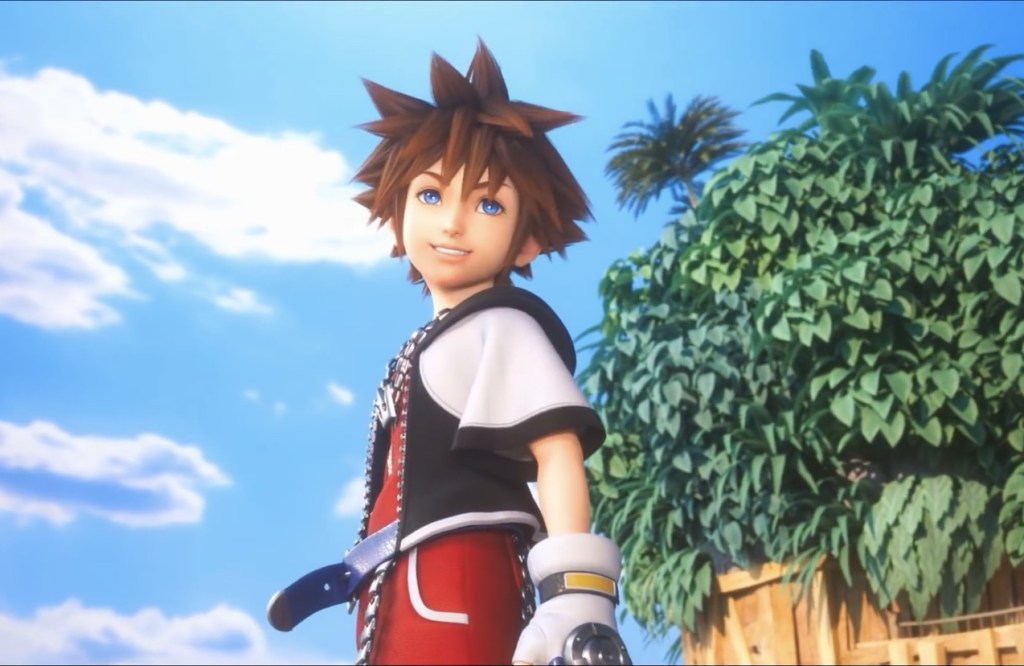
For gamers, it is universally agreed upon that there is nothing more special than video game crossovers. Super Smash Brothers. Ultimate may only be four years old, but it earned the ultimate under its moniker. It is THE ultimate video game crossover, representing more than 450 intellectual properties, one of them being Kingdom Hearts. It’s old news by this point, but when Sora was announced as the final DLC fighter after years of secrecy and legal jargon, the gaming world lost its collective mind, and rightfully so:
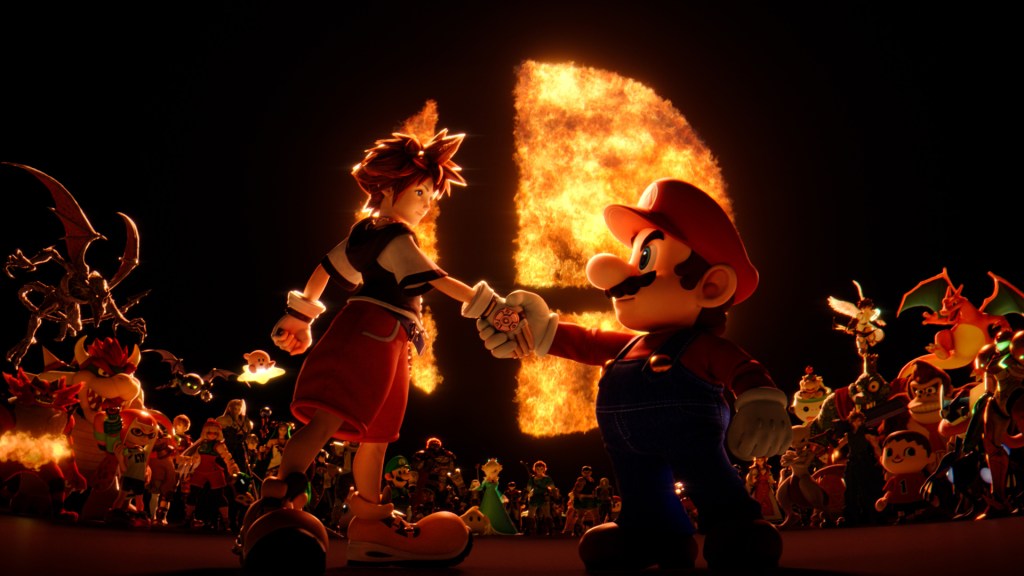
Sora is THE crossover character, so having him in the ultimate crossover game makes for a timeless occasion. Honestly, seeing how far Kingdom Hearts has come throughout the years is enough to make a grown man cry. It may not be the first crossover video game, but it is one of the best. But why does Sora make us feel this way? What makes this teenage anime boy so special? What makes Sora the perfect video game protagonist?
A Brief History of Magic:
Sora isn’t a crossover character in the traditional sense, as he was made exclusively for Kingdom Hearts and didn’t originate from any previous IP. From the moment of his conception, Sora was meant to bridge the universes of Disney and Final Fantasy together—but funnily enough, he was only created out of obligation. Originally, Kingdom Hearts was going to star a Disney character. The list wasn’t super long, but neither Disney nor Square Enix could agree on who would lead the game. Square wanted Mickey Mouse, but Disney was not keen on letting another company do what it pleased with its golden child, so they pushed for Donald Duck. Art designer and series writer Tetsuya Nomura wasn’t satisfied with either choice. So, taking matters into his own hands, he created Sora…the magic chainsaw-wielding lion boy.
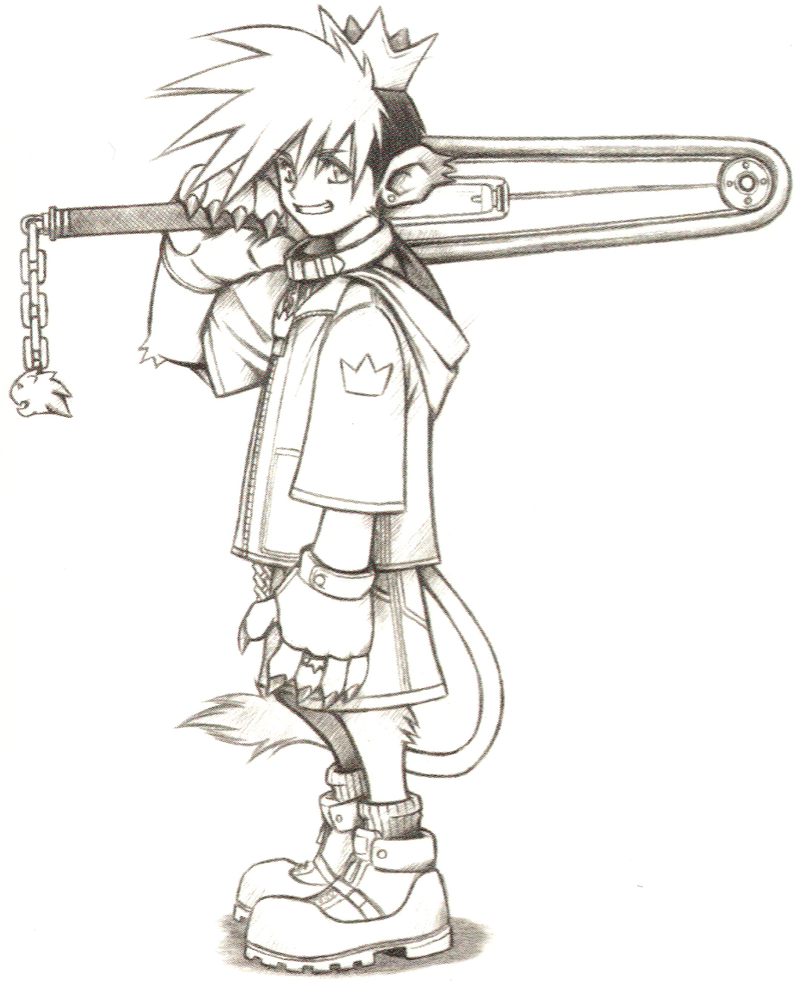
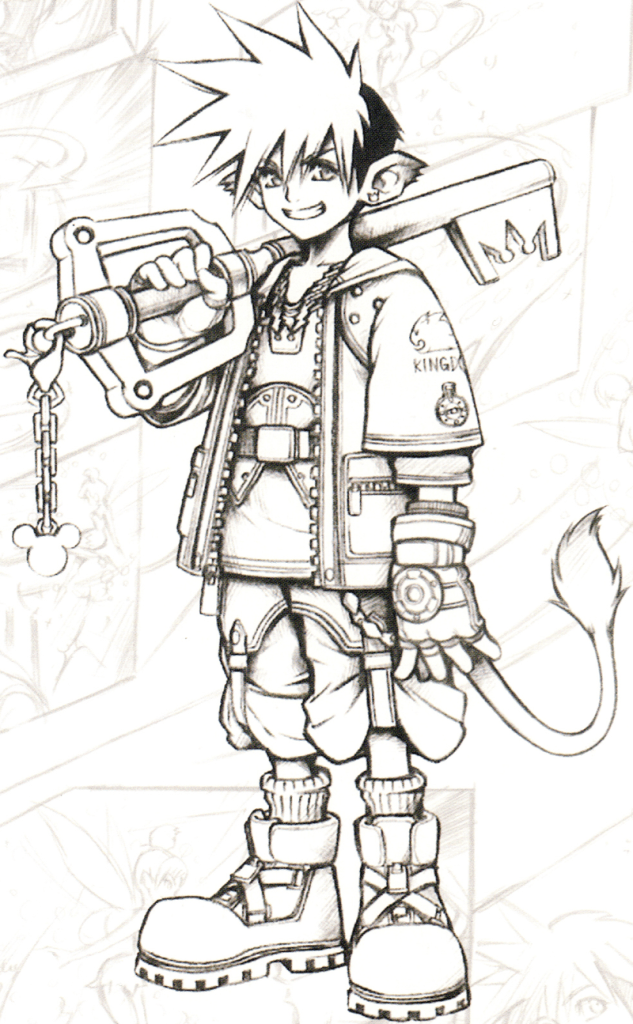
It definitely took me by surprise when I first saw it. There isn’t much to know about the half-lion concept, but the chainsaw has some funny origins. It would eventually become the iconic Keyblade, but not before being harshly judged by every Disney and Square executive in the room when Nomura presented it to them. In his own words:
“When I told them it was a chainsaw, they looked really shocked – absolutely speechless. (laughs) They were looking at the design document, probably saying “this is terrible!” and so on. It was all in English, though, so I didn’t understand a word.”
(Nomura 2012, Iwata Asks: Volume 12)
A few redesigns later, the world would be given the Sora we know and love.
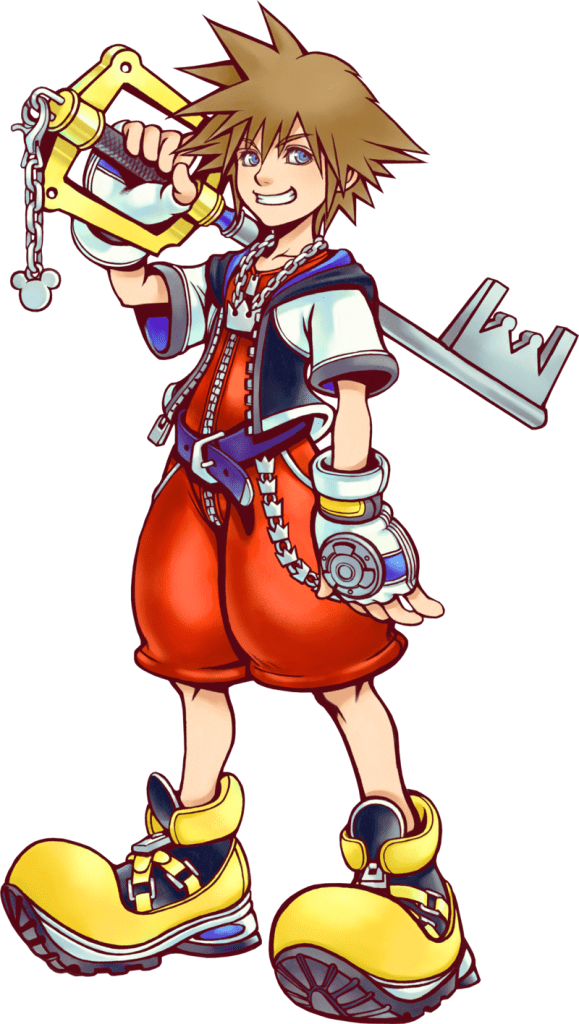
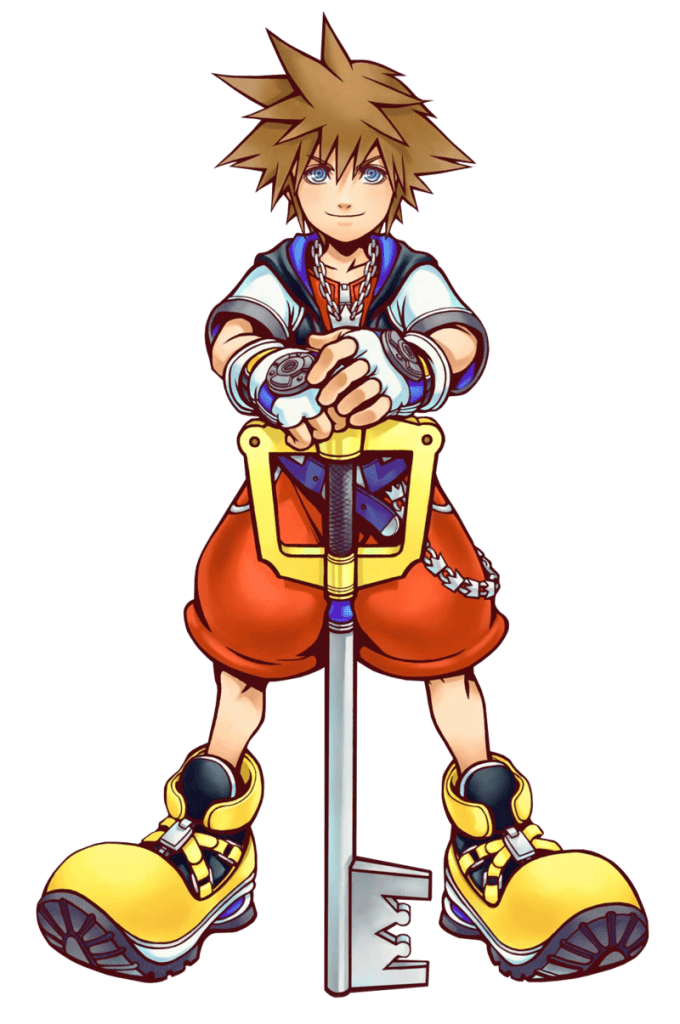
Sora is a flawless fusion of Disney and Final Fantasy character design philosophy. From the second you look at him, you have an idea of his character. Compared to previous Square characters, Sora invokes a sort of childlike innocence. He’s very soft and round, with only his hair having sharp angles. His face is bright and expressive, and his color scheme and attire are heavily reminiscent of a famous cartoon mouse. The similarities do not end there either. In a way, you could think of Sora as a more complex Mickey Mouse, but unlike the latter, the former was created with a specific purpose.
Simple and Complex:
Kingdom Hearts came to be because Square Enix desired to make a game like Super Mario 64. Complete with a simple story fit for Disney and its younger demographic. All seemed lost until Hironobu Sakaguchi warned Nomura that the game would fail if its plot was not on par with the Final Fantasy series. Agree or disagree, Sakaguchi was right. A simple story would have been a detriment to Kingdom Hearts, and if it starred any other character but Sora, then the game would have failed. Some KH enthusiasts may claim Sora’s bestie, Riku, is the true protagonist.
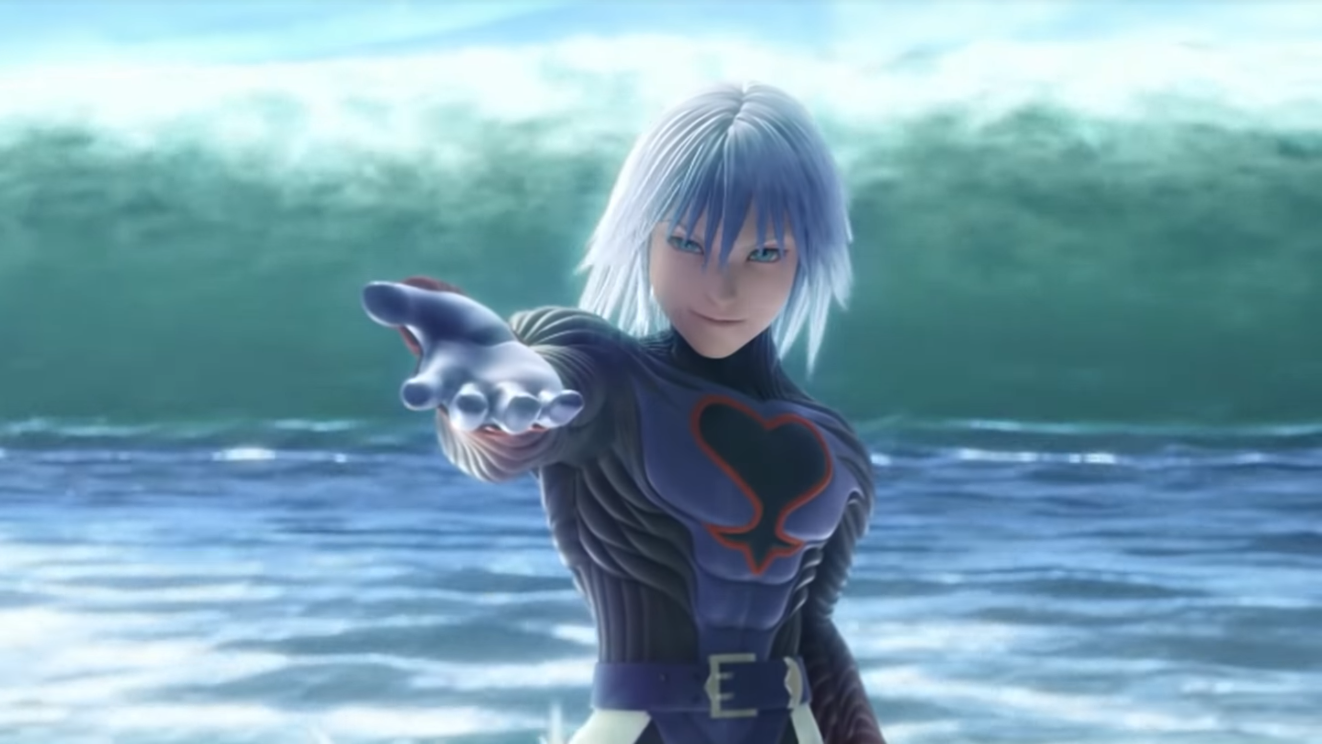
To a certain extent, I agree, and it’s totally not because he’s my favorite character. Riku sets every major event in the story into motion. He is the Keyblade’s true chosen one. He wants to see worlds beyond his own. He is the Disney prince/princess who seeks adventure in the great wide yonder. Sora is, for a majority of the game, reacting to what Riku does in the story—in a way, he’s kind of like the animal sidekick. The only thing keeping him back from being the hero is that he is too morally gray. Riku is not antagonistic by default, but he will do whatever it takes to achieve his goals, even if it means hurting innocents. On the complete opposite side of the spectrum are the two other “would-be” protagonists, Mickey and Donald.
Being cartoons, Mickey and Donald are simple enough to fit various roles; however, they lack the complexity and layers to be engaging protagonists. Because of this, they aren’t fit to lead an epic RPG narrative. They obviously can’t be the villains, and as protagonists, they can’t be allowed to change to the point where they aren’t the same characters anymore. Everyone knows what kind of characters they are, so they must stay consistent with those roles.
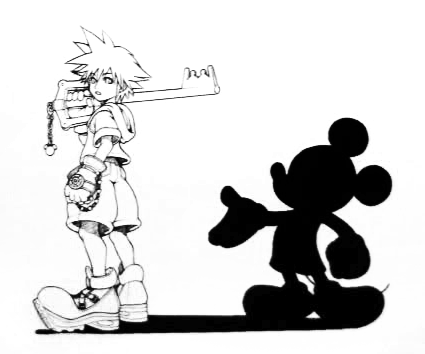
Sora has the advantage of being completely new and fresh. The outsider with expectations to live up to; however, regardless of how his character progresses, Sora himself is not super complex. He’s a standard bright-eyed, kind, compassionate, adventurous, silly, dumb, and fun-loving kid whom you’ve probably seen hundreds of times. These technically aren’t flaws, as some of the most memorable characters share similar traits and do not indicate plot or growth. Growth especially, since it is a determining factor to an engaging story. In Sora’s case, handling his progression is much trickier than you, dear reader, may initially realize.
Sora is an RPG protagonist, first and foremost. He needs to grow, change, and be more complex. Unfortunately, he has the curse of being stuck in a cute, cuddly, and child-friendly Disney universe. The parameters of Sora’s universe place a tight lid on his overall growth. Sora must be more complex, but simultaneously, he must retain his simplicity and pure-good nature. The question is, how does he gain that complexity?
The Reactive Active Character:
The one thing simple characters do best is react. Sora is an islander; ideally, he goes with the flow, but when you are that carefree—strange things happen around you. You’re in your room when, suddenly, your world is being destroyed by something you don’t understand. After that, you’re in a world you don’t recognize; with your giant magic key, you search for answers. You befriend two talking animals who are looking for their king and voyage the stars for your missing friends. There’s so much you don’t understand; however, you don’t care because you’re having fun. When things get dangerous, you don’t rethink your course of action; you deal with it and go with the flow. But, eventually, you will need to change because you do not fully grasp the importance of your role. Only you have the power to save your friends and stop the coming storm.
Despite Sora’s simple nature and upbringing, he’s part of a much more complex universe. When the time comes for action, the world will be there to challenge him. Making decisions, becoming a hero, learning responsibility, and having the fortitude to keep striving forward no matter how difficult things get. As the story progresses, he steadily becomes more complex while retaining a vital level of simplicity.

If we compare him to other RPG protagonists from Final Fantasy, it’s hard to determine where he fits in. Final Fantasy protagonists vary from being too simple to too complex, depending on the story they need to tell. We, as players, know how capable these characters are because we’ve played as them, seen their struggles, and seen them triumph. In the first Kingdom Hearts, they work as mentors, reminders for Sora to become stronger, surpass them, and never lose his way. Squall Leonheart is a victim of the Heartless, and he blames himself for not being strong enough to save his world. Cloud Strife is fighting an internal battle against the evil within him, and he’s doubtful he’ll come out victorious. Sora doesn’t have that level of emotional baggage, but he has moments of genuine doubt and weakness.
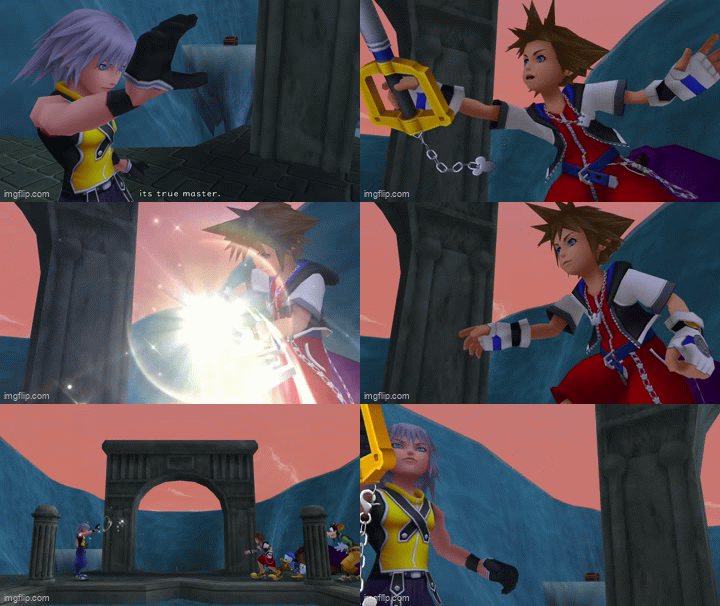
In Hollow Bastion, for instance, Sora meets Riku again, this time with the knowledge that he has to fight him. Just as they are about to clash, Riku humiliates Sora and effortlessly takes the Keyblade. Without the Keyblade, the Heartless will destroy Sora, and to rub salt in the wound, his companions Donald and Goofy reluctantly abandon him. Even at his absolute weakest, however, Sora still finds the strength to persevere and triumph. He will do whatever it takes to save and protect the people he loves. These traits give Sora the right amount of complexity, like measuring an ingredient. He is complex enough so that we are invested in his character and journey but also simple enough so that ANYONE can fit in his overly-sized shoes.
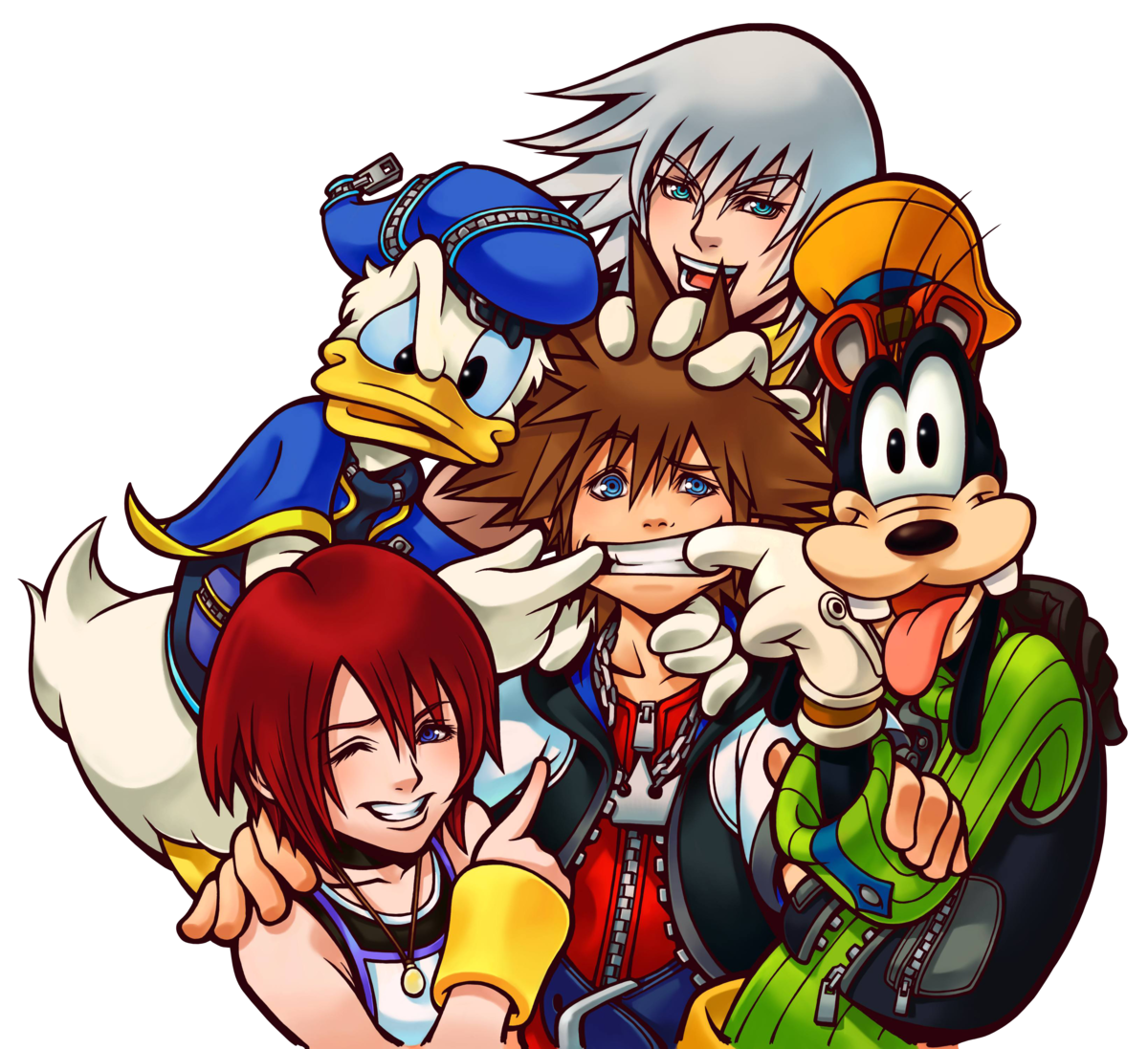
That’s what separates Sora from Mickey. Mickey is not allowed to grow, change, or suffer because if he does, he’s no longer…Mickey. He’s not allowed to be complex. Sora, on the other hand, needs to change because both the plot and the player demand it. Thankfully, as the years passed, we’ve seen him grow into a capable and active hero. But unlike other protagonists who go through similar circumstances, Sora retains his innocence. No matter how difficult things get, he never forgets to be a kid and have fun. That’s what makes Sora so engaging. Things beyond your comprehension can happen, and the only thing you can do is be like Sora and go with the flow. Sora is the perfect protagonist because we were once like him, simple-minded children with complex futures ahead of us.
Sometimes, when life beats you down, you look back to your childhood, the games you played, and how fantastical the world was. To grow up with grandiose dreams of adventure, the joy of playing with your friends, falling in love for the first time, journeying with your childhood characters, fighting against forces beyond your wildest imaginations, and accepting responsibility. That’s who and what Sora is: the avatar, the hero, the self-insert, and most importantly, the innocent kid inside every one of us, and the perfect protagonist of the greatest make-believe story.
 Embrace the Pixels